How to keep website feedback in one place your whole team can work from
Website feedback usually arrives scattered across email, Slack, and screenshots — and stalls there. Here's how to keep it in one shared session your whole team can assign, discuss, and resolve together.

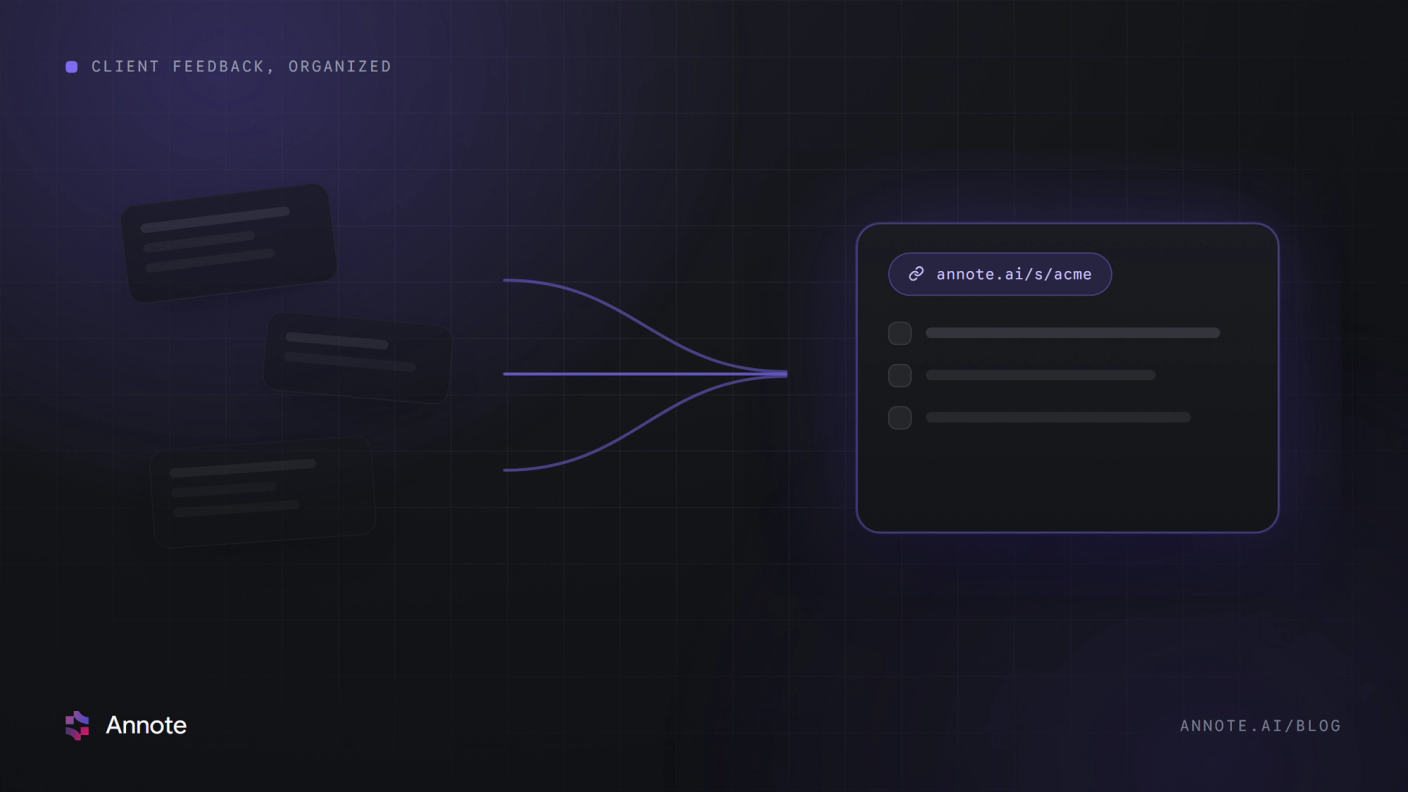
Whether feedback comes from a client, a stakeholder, or your own QA pass, it tends to arrive the same way: scattered. A Slack message here, an email with a screenshot there, a comment on a call about something "off" on a page. Collecting it is annoying; turning it into work your team can act on together is worse. The fix isn't more discipline — it's keeping all of it in one shared place your whole team works from. Here's how.
Why feedback gets scattered (and why it stalls)
- Too many channels. Feedback lands wherever's convenient, and no single place holds it all.
- No shared state. Without a visible owner, priority, and status, feedback sits in limbo — everyone assumes someone else has it.
- Disconnected discussion. The conversation about a piece of feedback happens away from the feedback itself, so context gets lost and re-explained.
Keep feedback in one shared session
The single biggest improvement is giving all feedback for a project one home — a shared session your whole team (and, when relevant, your client) can see and work in:
1. One place, not five. Every piece of feedback lands in the same session, so nobody hunts across threads.
2. Capture context automatically. When feedback comes in, the technical detail — page, screenshot, console, network — comes with it, so it's a real ticket, not a vague note.
3. Collaborate on it. Assign an owner, set a priority, comment and @mention on the ticket, and resolve it together — all visible to the team.
4. Share without friction. A single link opens the session in the browser — no signup for viewers — so stakeholders and clients can follow along and comment without learning a new tool.
Feedback becomes a queue, not a mess
When feedback is captured with context and lands in one collaborative session, it stops being scattered noise and becomes an organized queue your team works through together. Everyone sees the same list. Everyone knows who owns what. The discussion stays attached to the bug.
That's the workflow Annote is built for: one shared, collaborative session where the whole team — developers, PMs, QA — captures, assigns, discusses, and resolves feedback together, instead of chasing it across five tools. (The same principle applies to internal bug reports — here's why scattered reports slow teams down.)
 Ishaq Javed