Bug reporting tools compared: capture is easy, collaboration is the hard part
Most bug reporting tools are good at capture now. The real difference is what your team can do *after* — assign, prioritize, discuss, resolve. Here's how the top tools compare on the part that matters.

Bug reporting tools have largely solved capture. Screenshots, console logs, network requests, repro steps — most modern tools grab all of it automatically. So if capture is a solved problem, what actually separates one tool from another for a team? The answer is everything that happens after the capture: whether your team can work the bug together, in one place, or whether it becomes another scattered report. Here's how the top tools compare on that axis.
Capture: mostly a solved problem
The leading tools — Jam, Marker.io, Annote, and others — all capture strong technical context automatically. Some add AI that reads the evidence and flags the likely cause, which is a real step up. But capture alone just produces an artifact. A team needs more than an artifact; it needs a workflow.
Collaboration: where tools actually differ
This is the part that decides whether your bugs get fixed or just filed. Look for:
- One shared place. Do all your bugs for a project live in a single session everyone can see, or scattered across separate links and threads?
- Assignment and priority. Can the team assign an owner and set a priority everyone trusts?
- Discussion on the bug. Can people comment and @mention directly on the ticket, so context stays attached?
- Shared resolution. Can the team move a bug from open to resolved together, with visible status?
Tools built around individual reports (a recording, a one-off link) are light here by design. Tools built around a shared workspace are where collaboration lives.
How the leading tools compare
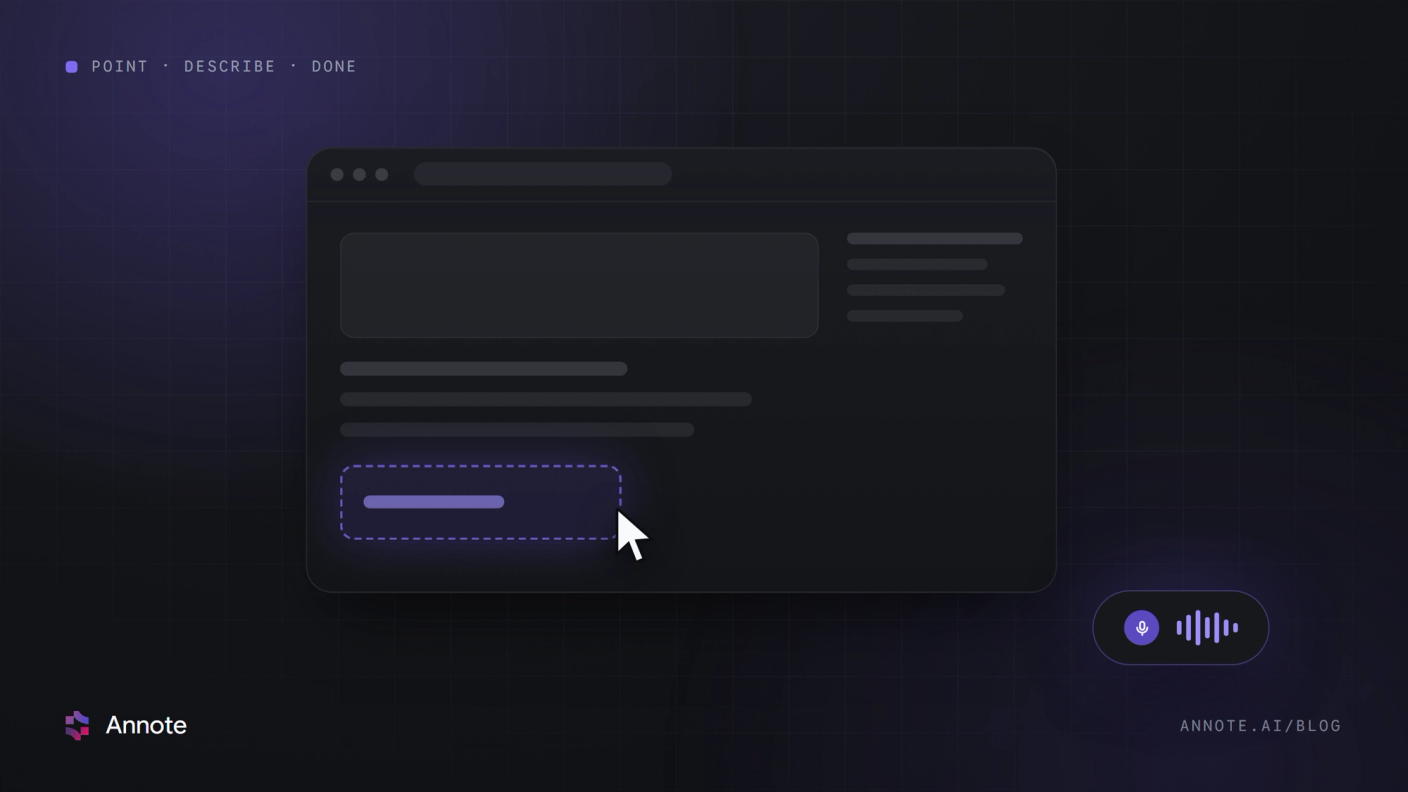
Annote captures like the best of them — click the element, describe it, get a structured ticket with screenshot, console, network, actions, and an AI-flagged likely cause — and then puts every ticket into one shared, collaborative session where the whole team assigns, prioritizes, comments, and resolves together. It's built for the collaboration half, not just the capture half.
Jam is excellent at developer-first capture and sharing individual recordings; collaboration centers on the recording rather than a shared team workspace.
Marker.io captures well and pushes bugs into your existing tracker, so collaboration happens in Jira/Linear rather than in the tool itself.
BugHerd offers a simple shared board — good collaboration, lighter capture.
The bottom line
If capture is solved, choose your bug reporting tool on collaboration. The one that keeps your whole team working the same bugs in one organized session will save you far more time than a marginally better screenshot. That's the gap Annote is built to fill. Try it free. For tool-by-tool breakdowns, see our Jam.dev alternatives and BugHerd alternatives comparisons.
 Ishaq Javed